



An Ayurveda diet, also known as an Ayurvedic diet
An Ayurveda diet, also known as an Ayurvedic diet, is a personalized eating plan based on the principles of Ayurveda, a traditional system of medicine from India. The diet aims to promote overall health, well-being, and balance by tailoring food choices to an individual's unique constitution (dosha) and needs.
Here are some general principles of an Ayurveda diet:
1. Eat according to your dosha (constitution):
- Vata (air and space): Favor warm, nourishing, and easy-to-digest foods.
- Pitta (fire and water): Emphasize cool, calming, and bitter foods.
- Kapha (earth and water): Choose light, dry, and spicy foods.
2. Follow the seasons:
- Eat seasonal and locally available foods.
- Adjust your diet according to the season's energies (e.g., warm and nourishing in winter, cool and calming in summer).
3. Include the six tastes:
- Sweet (e.g., fruits, grains)
- Sour (e.g., citrus, yogurt)
- Salty (e.g., salt, seaweed)
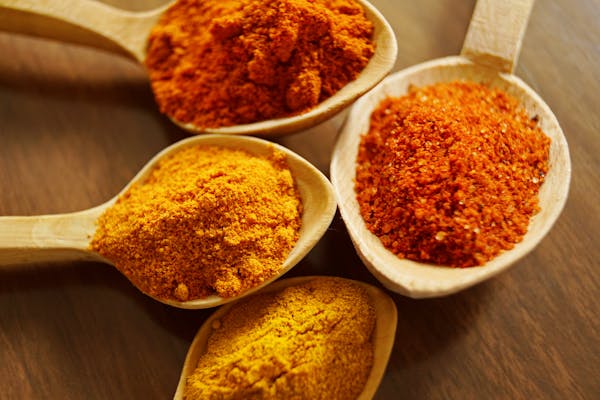
- Bitter (e.g., leafy greens, turmeric)
- Pungent (e.g., spices, onions)
- Astringent (e.g., legumes, tea)
4. Choose whole and organic foods:
- Focus on whole grains, fruits, vegetables, lean proteins, and healthy fats.
- Avoid processed and packaged foods.
5. Eat mindfully:
- Savor your food and eat slowly.
- Pay attention to your hunger and fullness cues.
6. Avoid incompatible foods:
- Don't combine foods that are difficult to digest together (e.g., milk and fish).
7. Drink plenty of water:
- Aim for at least 8 cups (64 oz) of water per day.
8. Consider your agni (digestive fire):
- If you have a strong agni, you can handle spicy and heavy foods.
- If you have a weak agni, opt for gentle and easy-to-digest foods.
Some general dietary recommendations include:
- Eating a variety of colorful vegetables and fruits
- Including healthy fats like ghee (clarified butter) and olive oil
- Choosing lean protein sources like legumes, lentils, and fish
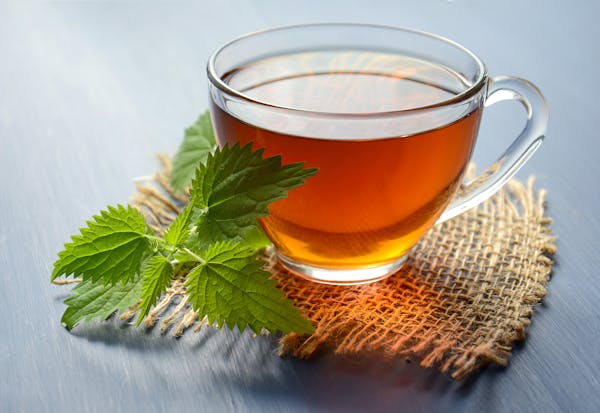
- Drinking herbal teas like ginger and turmeric
- Avoiding excessive sugar, salt, and caffeine
Remember, an Ayurveda diet is highly personalized, so it's best to consult with an Ayurvedic practitioner or healthcare professional to determine the best diet for your individual needs.


No comments:
Post a Comment