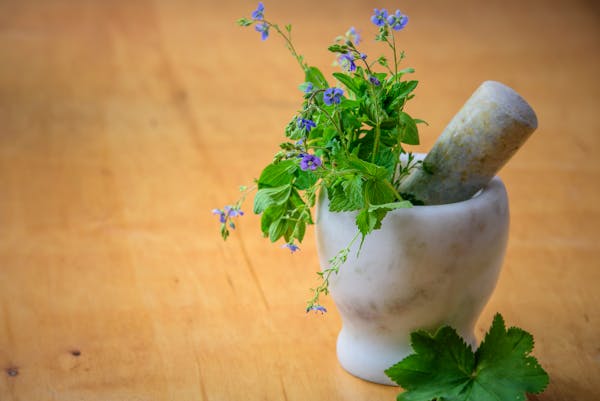


Herbs and Spa
Ayurveda for Global Health
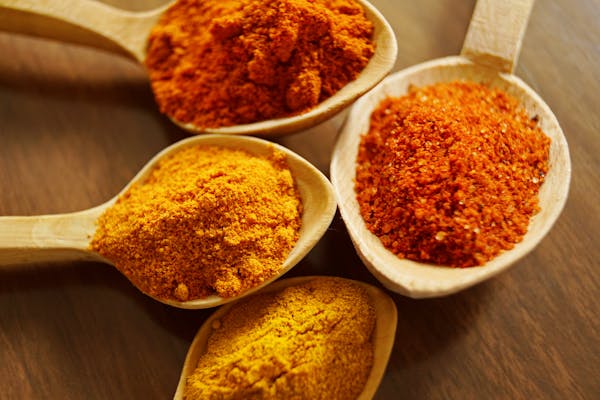
Ayurvedic Spices
Ayurveda for Global Health
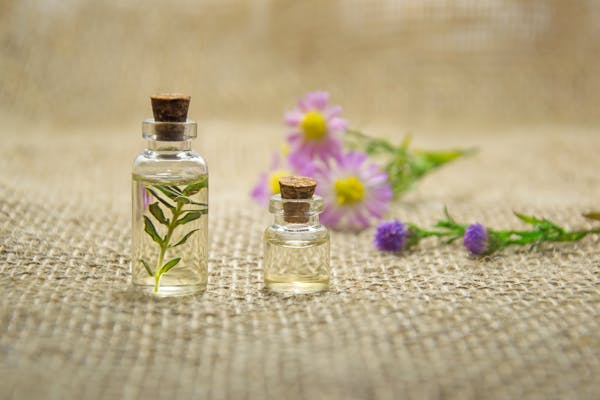
Oils and Aromatherapy
Ayurveda for Global Health
Yoga Pose
Ayurveda for Global Health
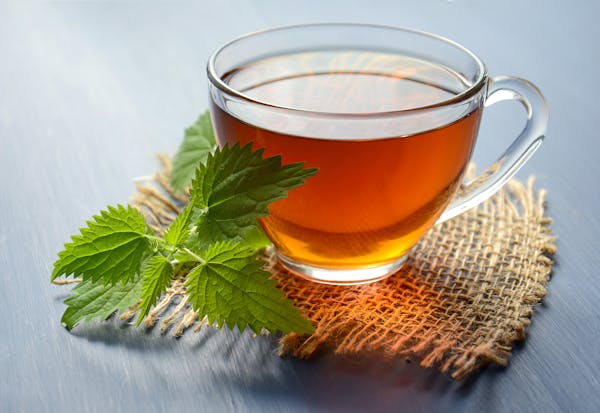
Green Herbs Tea
Ayurveda for Global Health
Zen Stones
Ayurveda for Global Health
Herbs and Spa
Ayurveda for Global Health
Ayurvedic Spices
Ayurveda for Global Health
Oils and Aromatherapy
Ayurveda for Global Health
Yoga Pose
Ayurveda for Global Health
Green Herbs Tea
Ayurveda for Global Health
Zen Stones
Ayurveda for Global Health

๐Ÿ” What is your Dosha?

Are you Vata, Pitta, or Kapha? Take our free Ayurvedic assessment to discover your unique body type.

Take the Quiz
Welcome to Ayurveda Initiative
 
Latest News
Loading updates...

Know More About Ayurveda

Loading topics...

Yam bean , Pachyrhizus erosus , Jicama or Mexican turnip

๐Ÿ ๐Ÿซ›Yam bean ( Pachyrhizus erosus) also known by the common names Jicama or Mexican turnip, is a climbing legume crop with tuberous storage roots that are eaten either raw or cooked as vegetable. The plant is native to Mexico and Central America, though it is also widely cultivated in tropical and subtropical regions around the world.

๐Ÿ ๐Ÿซ›The leaves of the plant are trifoliate with entire leaflet margins that may be lobed or deeply divided. 

๐Ÿ ๐Ÿซ›White or purplish flowers are produced in racemes or panicles. These mature into elongated pods that are constricted between the seeds. The seeds are however toxic and not consumed. They are sometimes used to poison insects or fish.

๐Ÿ ๐Ÿซ›Yam Beans are valued for their edible tubers, which can be consumed raw, boiled, or cooked in various dishes. They are rich in vitamin C, fiber, and minerals, making them a nutritious addition to diet. Except for the edible tubers, the entire plant is toxic.

๐Ÿ ๐Ÿซ›The genus name Pachyrhizus is derived from the Greek words pachus (thick) and rhiza (root), referring to the plant's thick, fleshy roots. The species name erosus comes from the Latin word erosus, meaning "eaten away" or "hollowed out," possibly alluding to the hollow nature of the tubers.
Reference 


Plants of Singapore

No comments:

Post a Comment

Share This Article
Link copied! Ready to paste on Instagram.

Featured Post

DR AJINKYA ACHAREKAR DOMBIVLI INDIA

Dr. Ajinkya Acharekar M.S. (Ayu.), Mumbai Proctologist & Anorectal Surgeon Dr. Ajinkya Acharekar is a highly skilled Proctol...

Popular Posts

⚠️ Medical Disclaimer

The content provided on Ayurveda Initiative is for informational and educational purposes only. It is not intended to be a substitute for professional medical advice, diagnosis, or treatment.

Always seek the advice of your physician or other qualified health provider with any questions you may have regarding a medical condition. Never disregard professional medical advice or delay in seeking it because of something you have read on this website.

Total Pageviews