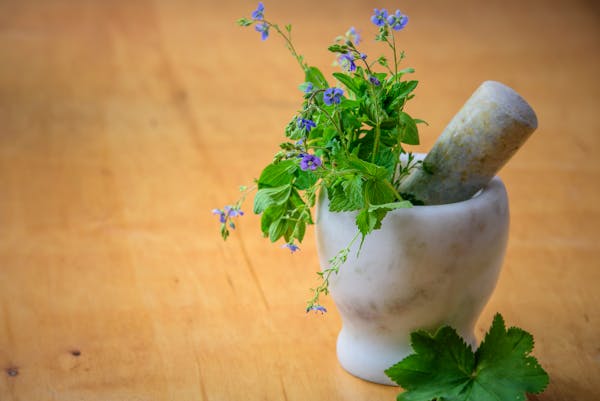

Herbs and Spa
Ayurveda for Global Health
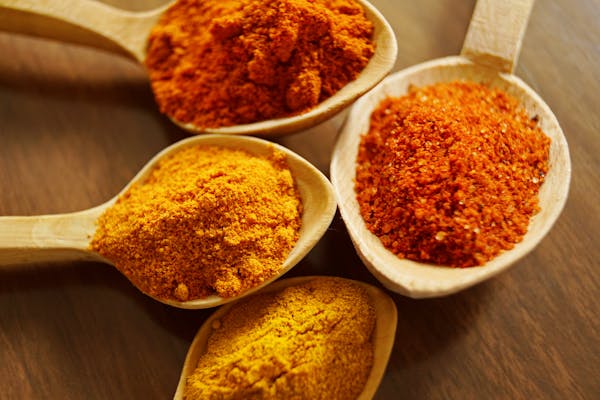
Ayurvedic Spices
Ayurveda for Global Health
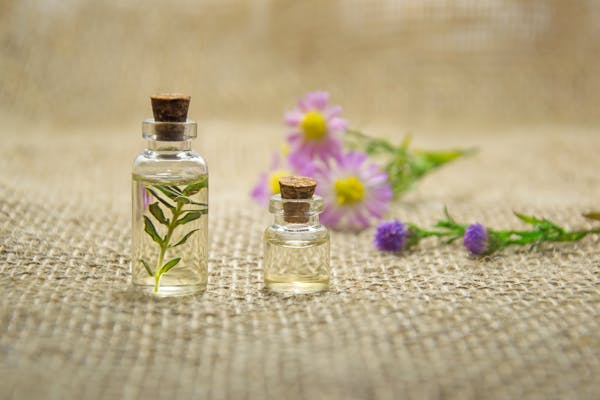
Oils and Aromatherapy
Ayurveda for Global Health
Yoga Pose
Ayurveda for Global Health
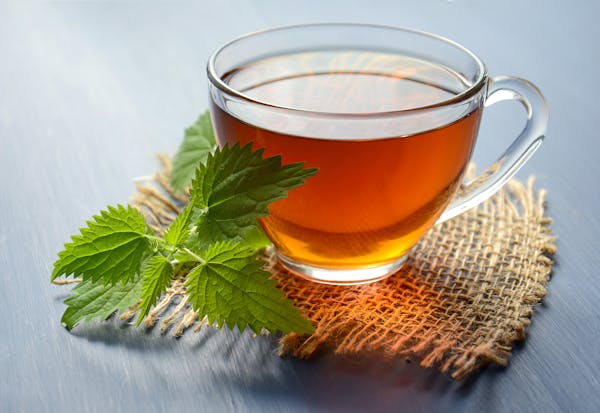
Green Herbs Tea
Ayurveda for Global Health
Zen Stones
Ayurveda for Global Health
Herbs and Spa
Ayurveda for Global Health
Ayurvedic Spices
Ayurveda for Global Health
Oils and Aromatherapy
Ayurveda for Global Health
Yoga Pose
Ayurveda for Global Health
Green Herbs Tea
Ayurveda for Global Health
Zen Stones
Ayurveda for Global Health

🔍 What is your Dosha?

Are you Vata, Pitta, or Kapha? Take our free Ayurvedic assessment to discover your unique body type.

Take the Quiz
Welcome to Ayurveda Initiative
 
Latest News
Loading updates...

Know More About Ayurveda

Loading topics...

Leea rubra commonly known as Leea, Mali-Mali, Puchuk Merah, Memali, Red Leea, Red Tree-Vine, Red Tree Shrubis

Leea rubra commonly known as
Leea, Mali-Mali, Puchuk Merah, Memali, Red Leea, Red Tree-Vine, Red Tree Shrub
is a perennial woody shrub growing up to 3 m high.
Native to South East Asia it is found in India, Bangladesh, Indochina, throughout most of S.E.A. (including Singapore), Sabah and New Guinea to northern Australia.

It requires full sun: 6-8h, moderate water and is grown as roadside tree or cultivated for ornamental flowers 
It has long pinnate leaves with many leaflets. The flowering stalk is compact, and flowers are bright red in colour with a yellow central disc.

Fruits are subglobose berries, turning dark red or purple when ripe, and have 6-seeds

Its flowers are pollinated by insects and butterflies. Fruits are eaten by birds and other small mammals.

It can be propagated by seed or stem cutting.

It is named Leea after James Lee (1715–1795), who was a nurseryman; and the specific name rubra, means red, referring to the colour of the flowers.

Medicinal uses include 
Leaves are used as a poultice to treat wounds. The roots are used for reducing fevers and inducing perspiration and for treating arthritis, rheumatism and stomachaches. It is also mixed with arsenic to treat yaws. Fruits are also consumed to treat dysentery and yaws.

Reference 


Plants of Singapore

1 comment:

Madanmohan Dwivedi. said...

Thanks for genuine info. How is it different from Leea macrophylla ?

Post a Comment

Share This Article
Link copied! Ready to paste on Instagram.

Featured Post

DR AJINKYA ACHAREKAR DOMBIVLI INDIA

Dr. Ajinkya Acharekar M.S. (Ayu.), Mumbai Proctologist & Anorectal Surgeon Dr. Ajinkya Acharekar is a highly skilled Proctol...

Popular Posts

⚠️ Medical Disclaimer

The content provided on Ayurveda Initiative is for informational and educational purposes only. It is not intended to be a substitute for professional medical advice, diagnosis, or treatment.

Always seek the advice of your physician or other qualified health provider with any questions you may have regarding a medical condition. Never disregard professional medical advice or delay in seeking it because of something you have read on this website.

Total Pageviews