


URTICACEAE
URTICACEAE,
The nettle family is a large family comprising about 54 genera and 2,600 species of herbs, shrubs, small trees, and a few vines, distributed primarily in tropical regions.


🍂The stems and leaves of many species in this family, have stinging trichomes (plant hairs) that cause a painful rash upon contact, leading to a condition known as Urticaria in Dermatology (science of skin studies).


🍂The leaves of these plants are usually simple and alternate, and they may be toothed or lobed at the margins. The leaves are often 3-nerved from the base and bear stipules . Some species have stinging hairs.
🍂The flowers are small, inconspicuous, greenish, unisexual, usually borne in dense, axillary clusters or spikes, usually with 3-5 perianth parts. Male flowers usually have 3–5 stamens and female flowers have a superior ovary and sessile stigma. Both male and female flowers may be borne on the same plant.
🍂The fruit is usually a small, dry achene or nut, rarely a fleshy drupe. Seed is one per fruit.
🍂Habit: Urticaceae plants may be trees, shrubs, or herbs, and they can have a wide range of sizes.
🍂Habitat: These plants are found in a wide range of habitats, including forests, grasslands and wetlands.
In Singapore, there are several species of Urticaceae plants that can be found in the wild. These include:
🍂Lobster Claw Nettle / False Nettle (Boehmeria biloba)
🍂Chinese Grass/ Ramie (Boehmeria nivea)
🍂Trumpet tree (Cecropia peltata)
🍂Elatostema species
🍂Oyik (Gonostegia hirta) is highly esteemed as a leafy vegetable and a root crop by many indigenous South East Asian communities, some of which are also using the plant and it's tuberous roots as herbal medicine.
🍂Hen's Nettle (Laportea interrupta)
🍂Pilea species
🍂Australian Mulberry (Pipturus argenteus)
🍂Mentawan (Poikilospermum suaveolens)
🍂Graceful Pouzolzsbush (Pouzolzia zeylanica)
🍂Trailing Watermelon Begonia (Procris repens)
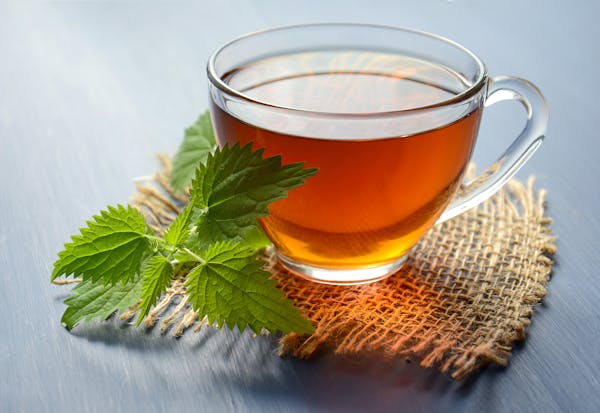
🍂Common stinging nettle (Urtica dioica)
Source:
Reference


No comments:
Post a Comment