


Malabar spinach , Basella alba
Malabar spinach (Basella alba) is a beautiful climbing vine that can reach a height of over 10 meters, Malabar spinach is grown in gardens as leafy vegetable and as an ornamental plant. It is native to India and Southeast Asia growing well in warm, tropical weather.


The stem is succulent and green or red, depending on the variety of the plant. Leaves are dark green or red, glossy, heart-shaped, about 8-12 cms long with a mucilaginous texture. They are succulent and fleshy, arranged alternately along the stem.
Malabar spinach flowers are white or pink, in small spikes with thick clusters of rounded flowers. Once pollinated, the flowers produce fruits that are initially green, later turning purple and then black. The fruits contain small, black seeds.


Malabar spinach leaves are used in cuisines in various ways, sometimes as a replacement for Ladies finger because of their slimy texture. These leaves have a peppery taste and are used in savory dishes, snacks, soups, and salads. Batter-fried leaves make a yummy, crispy snack. They are used in stir-fries and stews as pot herbs. They are a rich source of Vitamin B, C, Folate, Manganese, and other necessary minerals.
These versatile plants can be grown easily in home gardens, in partial sunlight, and well-drained soil. They need regular watering and fertilization since the plants grow very fast, and can be harvested every 10-15 days.
Malabar spinach plants should have supporting poles or trellises to climb on, or they could even climb on fences or surrounding vegetation. They are reasonably pest-resistant, and most problems can be treated with neem oil sprays.
These plants have medicinal uses in Ayurveda and traditional herbal medicine, in the treatment of mouth and stomach ulcers, inflammation, diarrhea, swelling, boils, stomach ailments, sores, boils, and conjunctivitis.
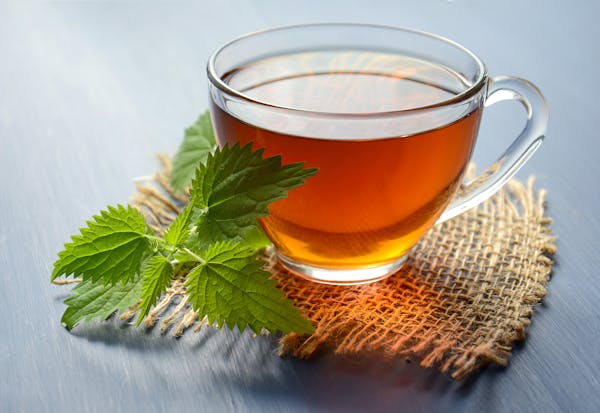
The plant contains high amount of fiber, helping in preventing constipation. Leaves are used as an antidote for poison, and also has laxative properties. Leaf infusions can be used as herbal tea. Since the plant grows very fast and provides a rich harvest, it is popular in poor countries to help alleviate malnutrition in children.
A red variant of the plant known as ‘Basella rubra’ is used to make a red dye. The fruit also yields a deep purple color that can be used in food coloring.
Propagation is through seeds or stem cuttings.
Scientific name: Basella alba
Common name: Malabar Spinach, Ceylon Spinach, Indian Spinach
Family: Basellaceae
Native Distribution: India & South East Asia
Pictures and text sources:
Reference


No comments:
Post a Comment